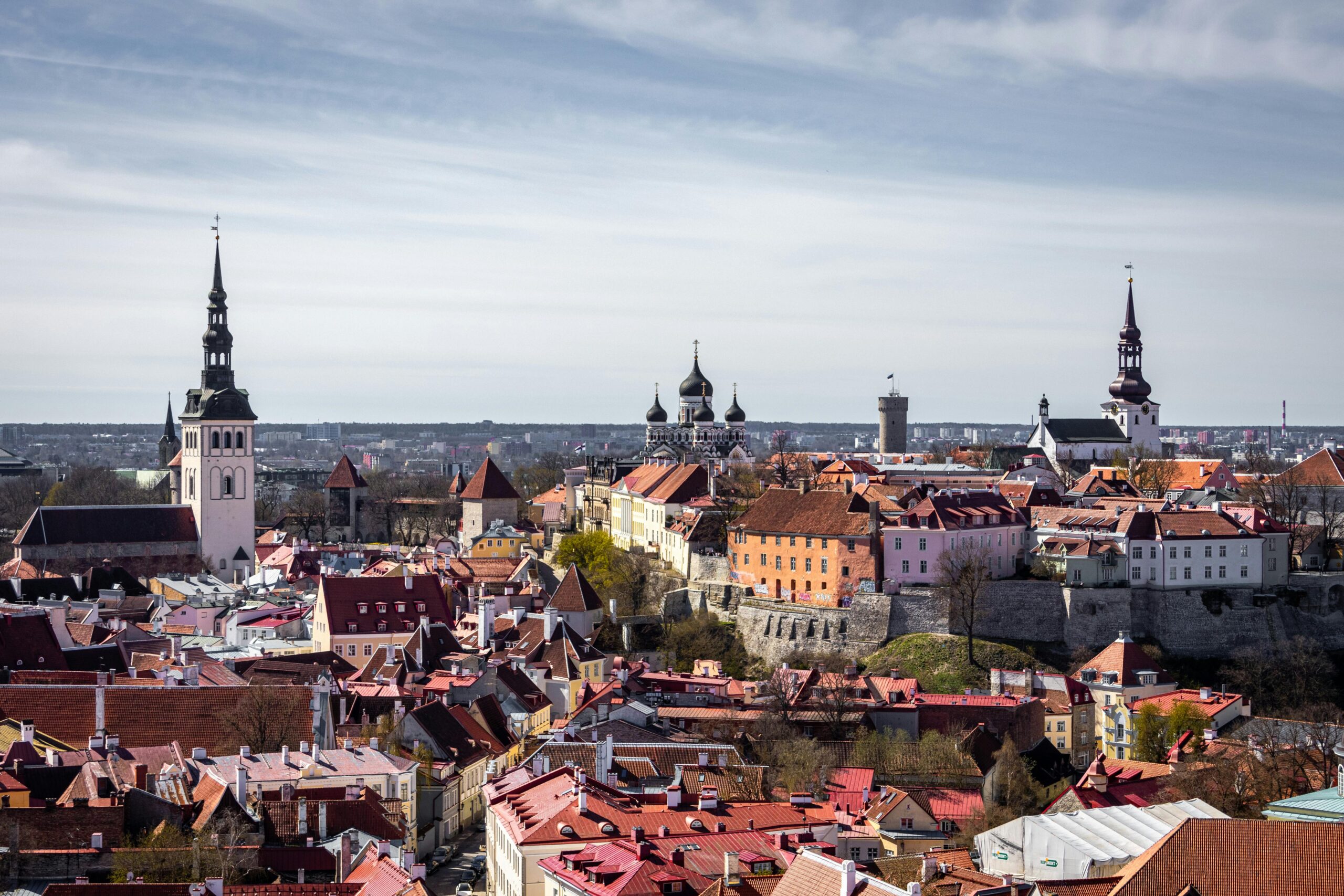
Market Trends: Champagne Demand in Estonia – 2024 Review
Estonia is a growing Champagne market in the Baltics, marked by steady expansion in 2024 and a consumer base open to both classic and sweeter styles. Rising affluence, increased exposure to international wine culture, and a vibrant hospitality scene are shaping evolving Champagne consumption patterns across the country.
Market Overview
Volume (2024): 456,392 bottles
Value (2024): €11,480,118
Share of Global Exports: 0.3%
Evolution vs. 2023: Volume up 6.2%, value up 10.4%
Global Rank: 41 (by value)
Number of Exporters: 123
Top 5 Exporters’ Share: 67.7% (308,959 bottles)
Estonia recorded solid growth in both volume and value in 2024, confirming its position as a developing Champagne market within Northern and Eastern Europe.
Champagne Quality and Style Preferences
Style
Volume (bottles)
% of Market
Brut
383,350
84.0%
Rosé
30,977
6.8%
Cuvée Spéciale
15,593
3.4%
Demi-Sec
15,432
3.4%
Sec
612
0.1%
Brut Nature
2,399
0.5%
Extra Brut
8,029
1.8%
Most popular style: Brut (84.0%)
Notable trends: Rosé maintains a strong presence, while Demi-Sec represents a notably higher share than in many Western European markets, reflecting a local openness to sweeter Champagne styles.
Packaging Trends
Format
Volume (bottles)
% of Market
Standard bottle
429,784
94.2%
Magnum
10,830
2.4%
Half bottle
8,568
1.9%
Quarter bottle (20 cl)
6,126
1.3%
Jeroboam
556
0.1%
Mathusalem
400
0.1%
Salmanazar
60
0.0%
Nebuchadnezzar
20
0.0%
Balthazar
48
0.0%
Dominant format: Standard bottle (94.2%)
Special trends: Magnums and half bottles support celebratory occasions, gifting, and individual consumption.
Exporter Profile
Category
Number of Exporters
Volume (bottles)
% of Market
International brands
10
230,803
50.6%
Non-branded houses
63
181,079
39.7%
Cooperatives
6
13,004
2.8%
Growers
44
31,506
6.9%
Market concentration: International brands dominate, while non-branded houses account for a substantial share.
Grower presence: Still limited but gradually expanding as consumers become more curious about origin-driven and artisanal Champagnes.
Market Trends and Consumer Behavior
Sweet styles: The notable share of Demi-Sec highlights Estonian consumers’ openness to sweeter sparkling wines alongside traditional Brut.
Brut dominance: Brut remains the backbone of the market, though diversity is higher than in many mature Western European markets.
On-trade and gifting: Champagne is widely consumed in restaurants, bars, and for gifting, with magnums and half bottles frequently chosen for celebrations.
Competition: Champagne faces competition from other sparkling wines, yet retains strong prestige and symbolic value.
Challenges and Opportunities
Market growth: Continued growth in 2024 confirms strong potential for Champagne exporters.
Opportunities for importers: Balanced portfolios combining classic Brut, Rosé, and selected sweeter styles are well positioned, particularly when supported by strong hospitality partnerships and clear brand storytelling.
Global Context
Global Champagne exports (12 months to April 2025): 272 million bottles (-4.6% vs. previous year)
Regional perspective: While Estonia represents only 0.3% of global Champagne exports, its growth rate and evolving consumer profile make it an increasingly relevant Baltic market.
Conclusion
Estonia is a dynamic and expanding Champagne market, defined by strong Brut demand, a meaningful presence of sweeter styles, and growing sophistication among consumers. Importers who understand local preferences and offer a diversified Champagne portfolio will find attractive opportunities as the market continues to mature.
Discover Champagne Producers represented by MAC Wine Services and explore our curated portfolio of grower and family-owned estates.
For expert guidance and access to a curated selection of premium Champagnes for the Estonian market, please contact:
Source: Market figures and trends referenced in this article are derived from official Champagne shipment statistics published by the Comité Champagne (CIVC) and industry-standard trade data.
We use cookies to enhance your experience, analyze site traffic, and serve tailored content. You can manage your preferences or accept all cookies.
Functional
Always active
The technical storage or access is strictly necessary for the legitimate purpose of enabling the use of a specific service explicitly requested by the subscriber or user, or for the sole purpose of carrying out the transmission of a communication over an electronic communications network.
Preferences
The technical storage or access is necessary for the legitimate purpose of storing preferences that are not requested by the subscriber or user.
Statistics
The technical storage or access that is used exclusively for statistical purposes.The technical storage or access that is used exclusively for anonymous statistical purposes. Without a subpoena, voluntary compliance on the part of your Internet Service Provider, or additional records from a third party, information stored or retrieved for this purpose alone cannot usually be used to identify you.
Marketing
The technical storage or access is required to create user profiles to send advertising, or to track the user on a website or across several websites for similar marketing purposes.